Uthando Safaris

/

Experiences

/

Bird watching

Experiences

Over a thousand species, in an area smaller than Texas

Kenya packs soda lakes, freshwater, swamp, grassland and montane forest into a few hundred kilometres. A well planned week covers several hundred species, and the guide matters more than the itinerary.

In short

Route by habitat, not by famous park. Three habitats in three days will beat three days in the best game park in the country.

Soda lakes at Nakuru and Bogoria for flamingo, pelican and migrant waders. Freshwater at Naivasha for kingfishers, jacanas and fish eagle. Permanent swamp at Amboseli for herons, storks and crowned crane.

Then grassland in the Mara for secretary bird, ground hornbill, bustards and outstanding raptor viewing, and highland forest in the Aberdares for the montane species. Kakamega, further west, holds forest specials found nowhere else in Kenya.

November to April is the window: Palearctic migrants are present, residents are breeding and in full plumage, and the green landscape photographs better.

Species recorded in Kenya

Over 1,000

Best months

Nov to Apr

Habitats in one week

Four or five

Guide

Specialist, on request

Pace

Slower, more stationary

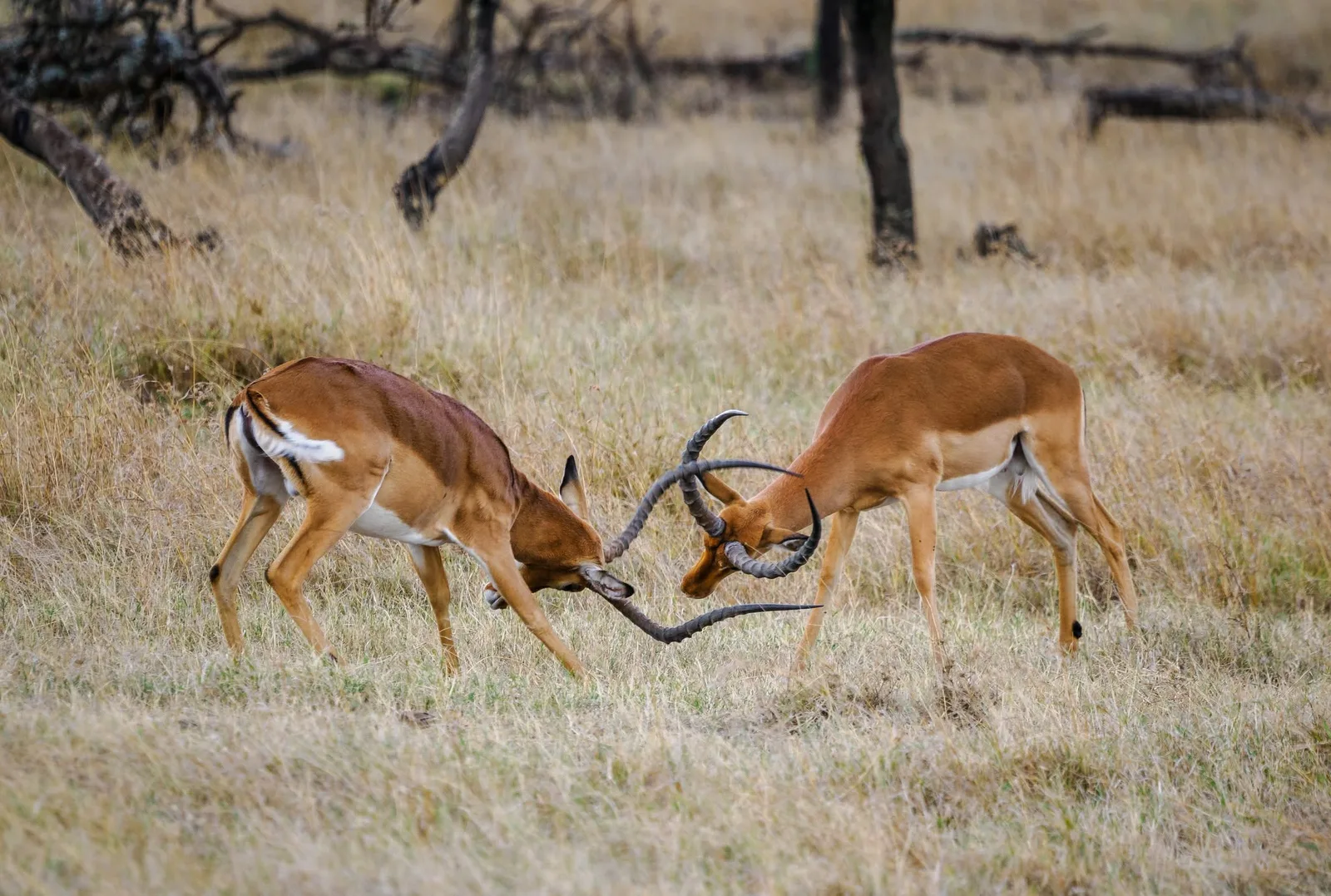
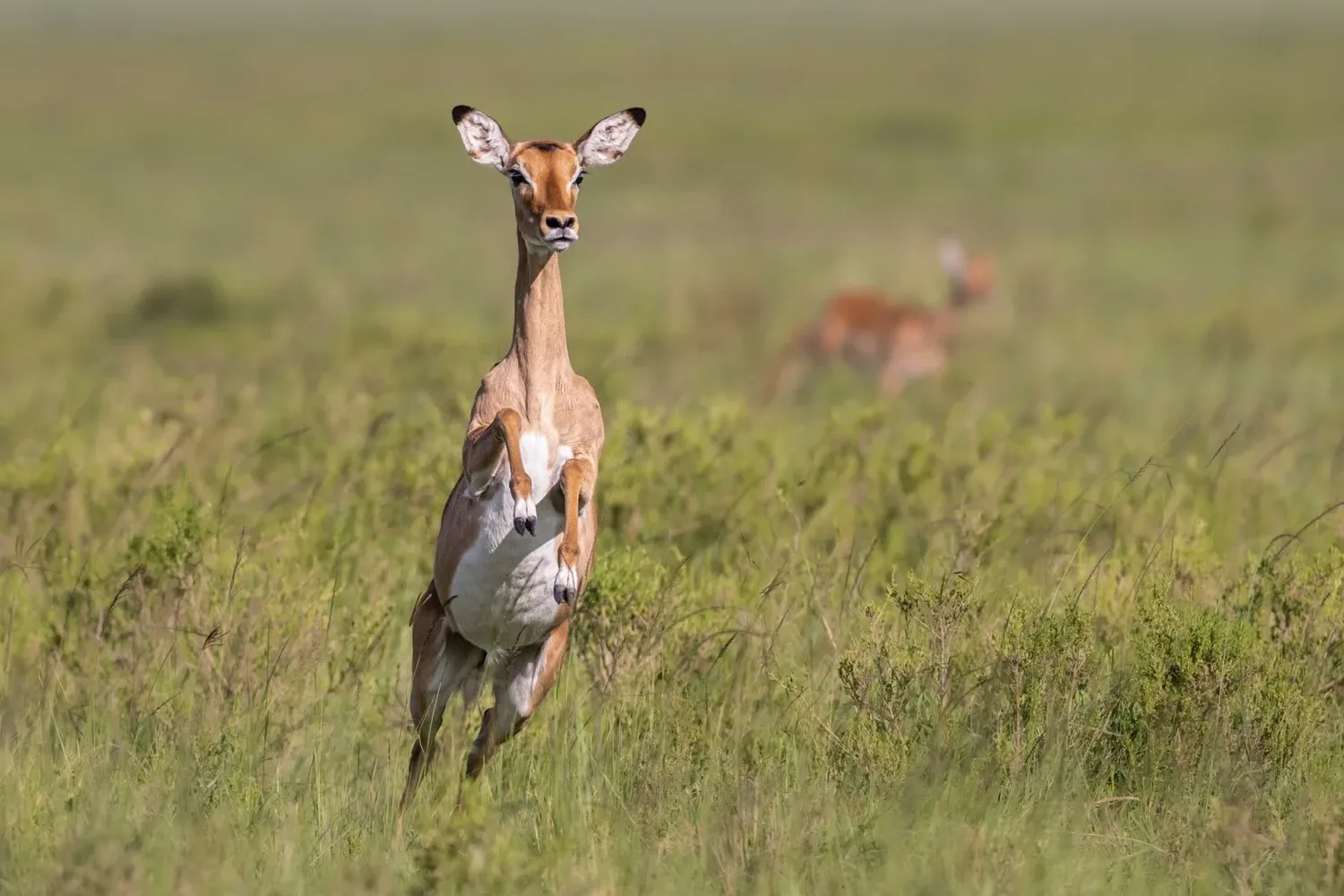
Antelope leaping through green grassland during the rains

Green season, November to April, is the birding window

How we plan them

Habitat first, park second

Birding itineraries should be built around habitat transitions. Kenya makes that easy because the habitats sit close together, so a route that looks inefficient on a map is often the one that produces the longest list.

We pair birding groups with specialist guides rather than general safari guides. That is the single biggest variable in the final count, and it is worth more than an extra day.

The days themselves are different too: earlier starts, later returns, shorter distances, more time with the engine off and the roof hatch open. A standard game drive schedule does not suit a birding trip, so we do not use one.

Where to go

Five habitats and what each produces

01

Soda lakes, Nakuru and Bogoria

Greater and lesser flamingo, great white pelican, and a long list of migrant waders on the shorelines.

02

Freshwater, Lake Naivasha

African fish eagle, malachite and pied kingfisher, African jacana, and a boat trip that puts you at water level.

03

Swamp and grassland, Amboseli and the Mara

Herons, egrets, storks and crowned crane in the marshes; secretary bird, ground hornbill and bustards on the plains.

04

Forest, Aberdares and Kakamega

Hartlaub’s turaco and silvery cheeked hornbill in the highlands, and Guineo Congolian species at Kakamega found nowhere else in Kenya.

Herd of zebra standing among acacia woodland in northern Kenya

Samburu adds dry country species that are absent further south.

Practical

What a birding trip needs that a game drive does not

What we change

A specialist birding guide rather than a general safari guide.

Earlier starts and later returns, with far more time stationary.

Shorter daily distances so more of the day is spent looking.

Roof hatch open and engine off, often for an hour at a time.

Habitat transitions planned deliberately into the route.

What to bring

Your own binoculars, ideally 8×42 or 10×42.

A regional field guide. Birds of East Africa is the standard.

A lens of 400 mm or longer if you are photographing.

A notebook or app for the list.

Neutral clothing, and patience for the swamp edges.

Guides

The guide is the itinerary, on a birding trip

Two people can drive the same route in the same week and finish two hundred species apart. Specialist birding guides know the calls, the sites and the seasonal movements, and they are booked separately from our general driver guides. Tell us at enquiry and we will confirm availability for your dates rather than promising one and substituting later.

Specialist guides

On request

Booked

Separately, confirmed first

Vehicle

Private, roof hatch

Season

November to April

Questions

Birding safari questions

When is the best time for birding in Kenya?–

+

November to April. Migrants are present, residents are breeding and in full plumage, and the green landscape makes for better photography.

How many species could I see in a week?+

+

With a specialist guide and a route across four habitats, several hundred is realistic. The figure depends far more on the guide than on the itinerary.

Do you provide specialist birding guides?+

+

Yes, on request. They are booked separately from our general driver guides and we confirm availability for your dates before quoting.

Can birding be combined with general game viewing?+

+

Easily. Our seven day four park route works for both, and most groups want the big cats as well as the list.

Is Kakamega Forest worth adding?+

+

If you want the forest specials, yes. It is a detour west and adds two days, but it holds species found nowhere else in Kenya.

Kenya registered tour operator

TRA registered

Our own 4×4 safari vehicles

In-house driver guides

Westlands, Nairobi

Start planning

Tell us your travel window and whether you want a specialist birding guide. We will route it by habitat.

Scroll to Top